Co-working accounted for 26 per cent of India's office demand in JanuarySeptember 2026, ahead of IT/ITeS at 25 per cent, as enterprises increasingly embraced flexible workspaces
India’s office space market marked a shift in trends as co-working overtook information technology
(IT)/IT-enabled services (ITeS) as the largest occupier of office space for the first time in a nine-month
period, from January through September, underlining a growing preference for flexible (flex)
workspaces, according to findings released on Tuesday by Anarock Research & Advisory.
Commenting on the report’s findings, Peush Jain, managing director (MD) — commercial leasing and
advisory at Anarock group, said flex workspaces were complementing traditional leasing rather than
replacing it, adding that there had been a decisive shift in the mix of office space occupiers.
“Large occupiers, in particular global capability centres (GCCs), are running an increasingly blended
portfolio. They have long-term, customised campuses for their core teams and flex space for speed,
pilots and expansion. Many flex operators also rent entire buildings on conventional terms,” Jain said,
adding that the two forms of leasing were closely connected, with both forming part of a single office
ecosystem.
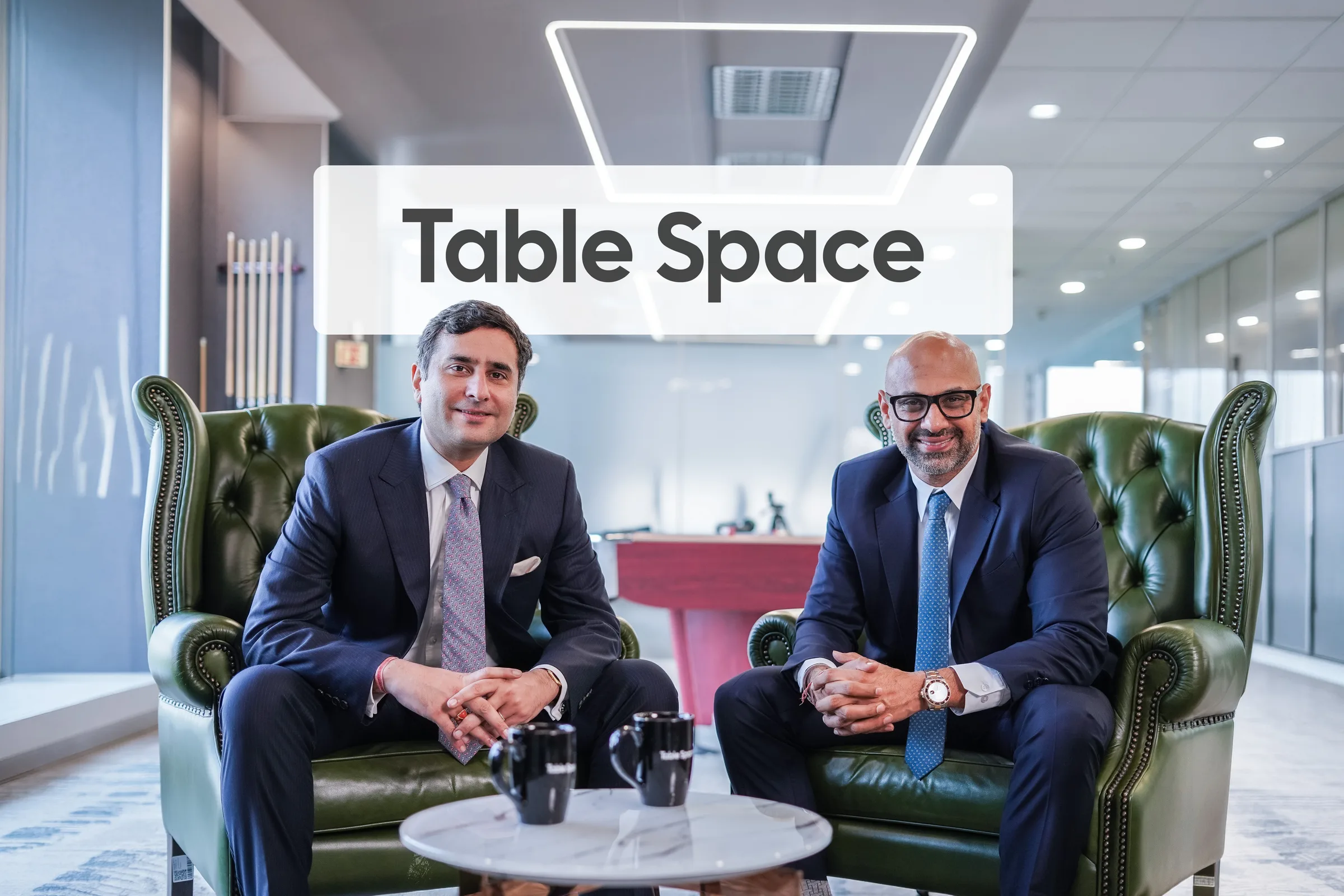
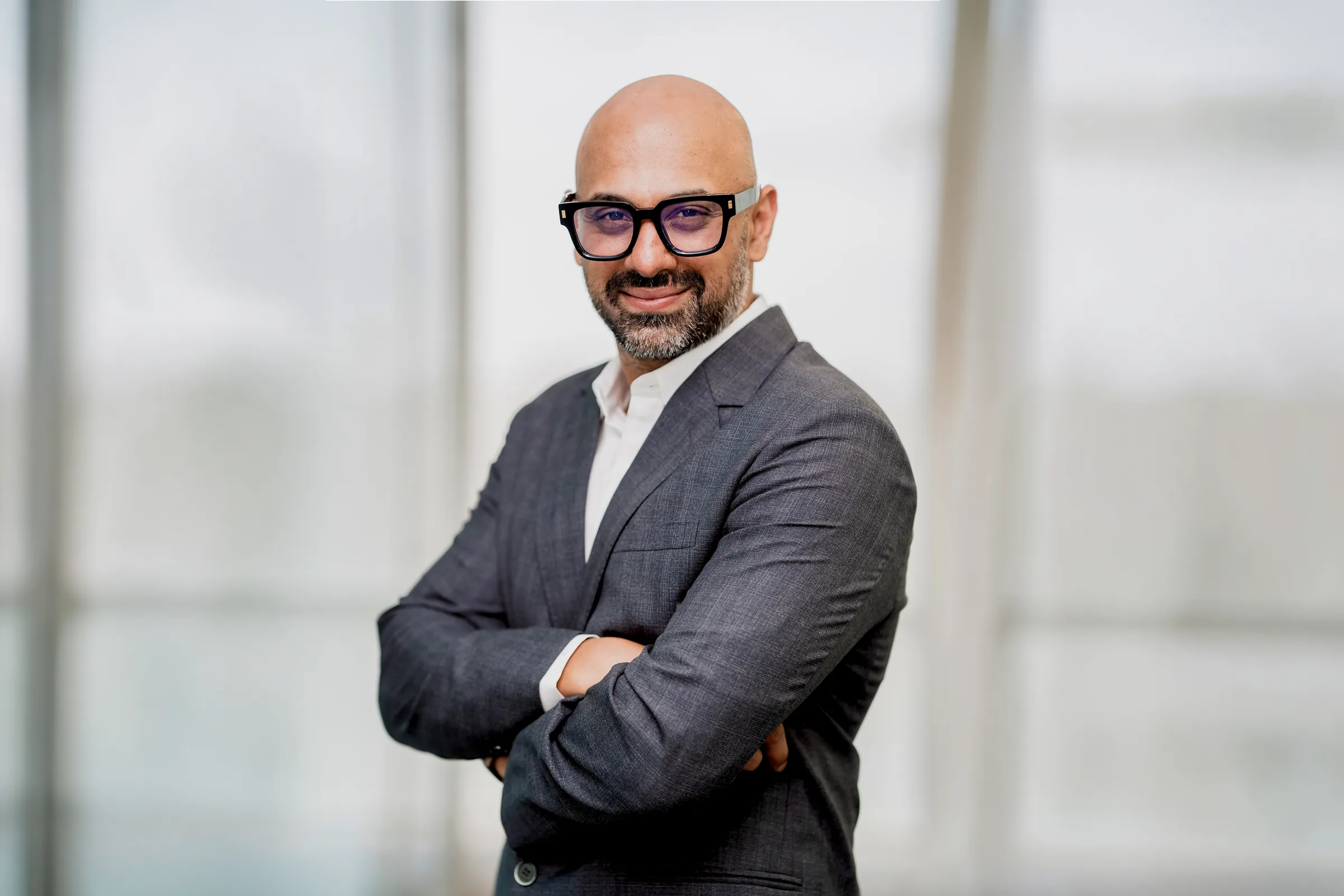
Similarly, Karan Chopra, chairman and co-CEO of Table Space, said the growth of flex workspaces
was driving greater convergence between traditional leasing and managed-office models.
“Operators are taking larger spaces, and in some cases entire buildings, under conventional leasing
arrangements to serve enterprise requirements,”
Karan Chopra, chairman and co-CEO of Table Space
According to the Anarock report, the co-working sector led overall demand with a 26 per cent share
during the period under review, surpassing IT/ITeS at 25 per cent and banking, financial services and
insurance (BFSI) at 21 per cent. IT/ITeS has traditionally been the leading sector, according to
Anarock data.
Among key segments, co-working and BFSI increased their share of office demand, accounting for
47 per cent of total leasing in the first nine months of calendar year 2026, up from 41 per cent in the
same period last year.
Geographically, Bengaluru led office leasing in the first nine months of 2026, with transactions
totalling 16.7 million square feet (msf), accounting for 25 per cent of the overall volume across the
eight markets assessed in the report.
Hyderabad ranked second, with 13.1 msf of transactions during the same period.
Amit Ramani, founder, chairman, and MD at Awfis Space Solutions, said co-working’s emergence as
the largest office space occupier over the past nine months validated a structural shift, as enterprises
and GCCs increasingly focused on agility, capital efficiency, and speed to market.
“Flex is no longer just an alternative option or a startup enabler — it has firmly become a core pillar of
corporate growth strategy,” Ramani added.
Harsh Binani, cofounder at Smartworks, said managed workspaces would play an increasingly
strategic role in meeting enterprises’ real estate needs. “The opportunity will not be defined by square
footage alone, but by the ability to deliver institutional-grade, scalable workplace infrastructure across
multiple cities,” he said.
“Flex offices today can support businesses across the lifecycle of their real estate requirements, from
establishing a presence to scaling teams and managing longer-term portfolio needs,” said Ramita
Arora, executive MD — Bengaluru, and head — flex, India, at real estate services firm Cushman &
Wakefield.
A report released by the firm on Tuesday showed that India’s flex office inventory reached 88.7 million
square feet (msf) in the first half of the year and was expected to cross the 100 msf mark this year,
while expanding to nearly 160 msf by 2030.
The report added that GCCs and multinational companies were increasingly using flex workspaces to
enter and expand across markets. “With newer demand pools also emerging, including artificial
intelligence-led businesses, the opportunity for flex is becoming both broader and more enduring,”
Arora said.
Source : Business Standard